Premium Shirt Fabrics: Mills, Weaves, and How to Choose
From Thomas Mason poplin to Albini twill, here is how to choose the right premium shirt fabric for the tropical Klang Valley climate and your daily routine.
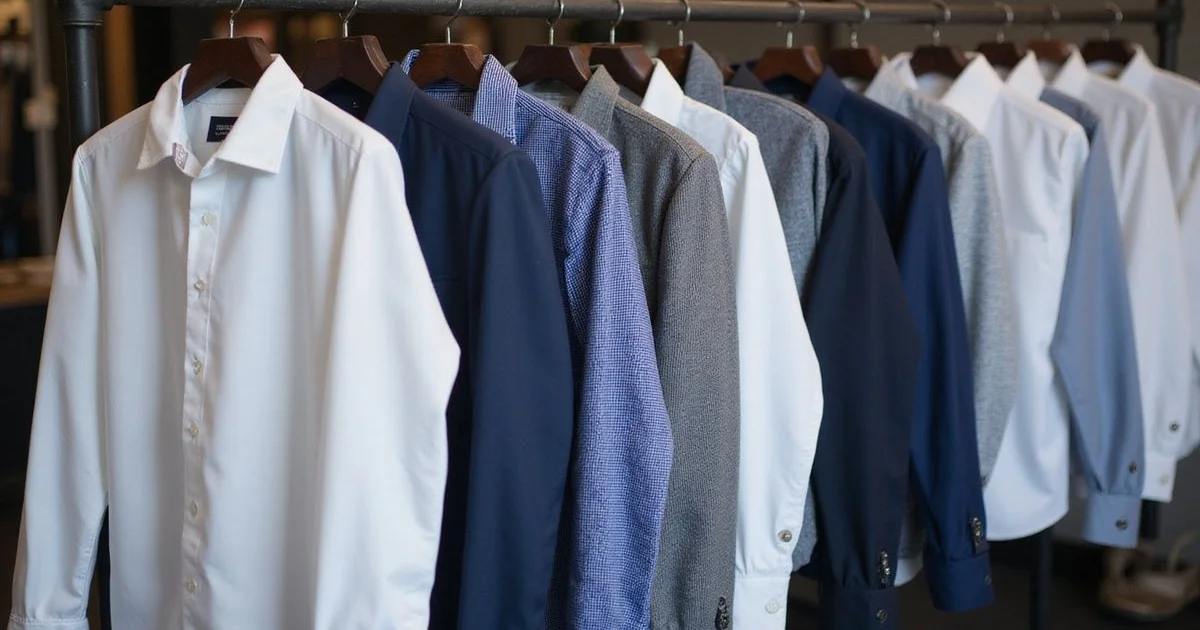
When you commission a custom shirt, the cloth choice defines almost everything about the finished garment. How it looks under fluorescent office lighting in Damansara Uptown. How it feels against your skin during a long client lunch. Whether it survives the daily round trip on the LDP without looking exhausted.
Most clients walk into our Petaling Jaya atelier focused on fit. They quickly discover that the cloth is what determines how often they actually want to wear the shirt and how long it lasts before it joins the discard pile.
Choosing the right fabric is not about chasing the highest thread count. In a tropical climate like ours, it is about matching the right weave, weight, and finish to the specific way you live and work. Here is how Daniel and our style team think about it.
Why the Mill Matters Before the Weave
The dress shirt industry rests on a small group of legendary producers who control quality from the cotton field to the finished bolt. Most shops buying generic cloth at low prices are gambling on consistency, and you will feel the difference within ten washes.
We work with mills that have a verifiable history of consistency.
Thomas Mason (Italy). Founded in Lancashire in 1796 with an archive of more than 700 volumes of textile designs. Acquired by the Albini Group in 1992 but maintains a distinct identity focused on bold British colors with Italian finishing. Their Goldline collection uses long-staple Egyptian Giza 45 cotton and develops a silky hand feel as it ages.
Albini (Italy). The largest European manufacturer of shirting fabrics, family-run since 1876. Vertically integrated, meaning they oversee everything from cotton harvest to weaving in Bergamo. Their BIOFUSION line is fully traceable organic cotton without sacrificing durability.
Canclini (Italy). Based near Lake Como, Canclini started with silk in the 1920s before moving to cotton, and the heritage shows in their finishing. We recommend their flannels and casual prints for clients who want a softer, more relaxed look for weekends in SS2 or Bandar Utama.
David & John Anderson (Italy). Also under the Albini umbrella. The pinnacle of high yarn counts, specializing in ultra-fine cloths like 200/2s and 300/2s. These shirts feel lighter than air but require professional laundering to keep their pristine appearance.
At One Tailor, we source primarily from Thomas Mason and Albini because they offer the most consistent performance for daily wear in Klang Valley humidity.
Understanding Cotton Quality Without the Marketing Fluff
Marketing copy often obscures the actual metrics that determine quality. Three technical factors matter most.
Fiber Length and Origin
The length of the cotton fiber, called the “staple,” is the single best predictor of softness and longevity.
- Extra-Long Staple (ELS): Fibers must exceed 35 mm to qualify. This includes Supima from the American West.
- Giza 45: Cultivated in a small region of the Nile Delta and harvested by hand. The “Queen of Egyptian Cotton.”
- Sea Island: Grown in the Caribbean, accounting for less than 0.004% of global cotton production. Extraordinarily rare.
Longer fibers create smoother yarns with fewer connection points. The result is a cloth that resists pilling and stays smooth after dozens of wash cycles in our humid climate.
Ply and Thread Count
Numbers like 100/2 or 140/2 describe two things at once. The first number is the thread count. The second is the ply, or how many strands are twisted together.
| Specification | Description | Best Application |
|---|---|---|
| 80/2 to 100/2 | Durable and substantial. | Daily business shirts; frequent travelers. |
| 120/2 to 140/2 | Silky and refined. | Board meetings; luxury feel. |
| 170/2 and above | Extremely fine and delicate. | Black tie; enthusiasts who use professional laundering. |
| Single Ply | One strand. Cheaper, less durable. | Casual summer shirts; lower price points. |
We almost exclusively use two-ply fabrics. Twisting two yarns together before weaving creates a “rope” effect that meaningfully increases tensile strength compared to single-ply alternatives.
Finishing Techniques
Raw woven cloth is rough and unstable until it undergoes finishing. Top-tier mills use mercerization, a process that swells the fibers to increase luster, improve dye uptake for richer colors, and reduce shrinkage. Cheaper mills skip this step or rely on chemical softeners that wash out within five cycles.
The Major Weaves Explained Simply
The weave structure dictates how the shirt breathes, drapes, and ages.
Poplin (Broadcloth)
A simple over-under weave. The standard-bearer for business shirting.
Why it works for PJ: Lightweight (around 100 to 110 gsm), highly breathable, holds a sharp crease, and offers the smooth, formal surface that pairs cleanly under a suit jacket. Ideal for the Selangor climate.
Trade-off: Wrinkles more easily than any other weave. Heavy travelers may find it frustrating.
Twill
Easily identified by its diagonal “wale” texture.
Why it works: Heavier than poplin, drapes cleanly over the body, and resists wrinkling thanks to the weave structure. White twill is also less transparent than poplin, so it hides undershirts more effectively.
Trade-off: It can feel slightly warmer. We usually recommend lighter “Imperial Twills” for Klang Valley clients.
Oxford Cloth
A basket weave structure where multiple weft threads cross over an equal number of warp threads.
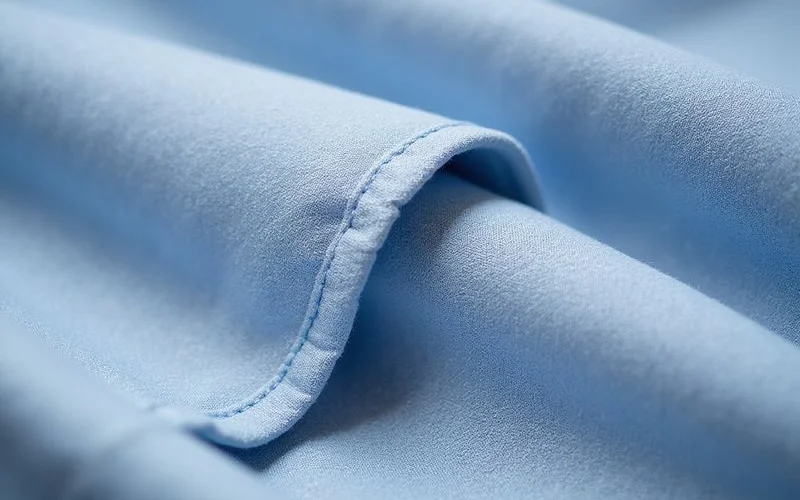
Why it works: Originally designed for polo players, Oxford cloth withstands heavy wear and frequent laundering. The visible texture pairs perfectly with chinos for smart-casual weekends in PJ.
Trade-off: Standard Oxford runs heavy (often 160 gsm or more). Better suited to evening wear or air-conditioned offices than midday outdoor walks.
Royal Oxford
Despite the name, it is quite different from a standard Oxford. Finer yarns and a more intricate weave create a diamond-like surface effect.
Why it works: The shine of a dress shirt with a hint of texture. The open weave is surprisingly breathable, which is exactly what you want in our humidity.
Trade-off: The looser weave can snag on watch clasps and rough surfaces.
Herringbone
A variation of twill where the diagonal pattern reverses direction in a “V” shape.
Why it works: Adds depth to solid colors without introducing a contrasting pattern. Easy to iron and resists stubborn creases.
Trade-off: Slightly heavier than poplin, similar to standard twill.
End-on-End (Fil-à-Fil)
A poplin weave that uses a white thread against a colored thread.
Why it works: From a distance it reads as solid color. Up close, it has a heathered appearance with real visual depth.
Trade-off: Shares poplin’s wrinkling tendency.
A Local Insight: The Petaling Jaya Cloth Weight Equation
Here is a rule we have built up over years of fitting Klang Valley clients. In this climate, cloth weight matters more than thread count for daily comfort. A mid-weight 110/2 poplin in 100 gsm will outperform a luxurious 170/2 in 140 gsm on a 33°C afternoon, simply because the air can move through the lighter weave.
For most Petaling Jaya professionals, our recommended starting point is a 100/2 to 120/2 two-ply poplin in the 100 to 115 gsm range. It survives the LDP commute, looks crisp under a suit jacket, and washes well in domestic machines without falling apart.
If you only spend daytime hours indoors at air-conditioned offices in Mutiara Damansara, you can afford a slightly heavier twill or Royal Oxford for added drape and structure.
Choosing the Right Cloth in Three Steps
1. Match the Weight to Your Day
- Heavy outdoor exposure? Stick to 100 gsm or lighter poplins and Zephyr weaves.
- Mostly air-conditioned offices? You have more freedom to use mid-weight twills.
- Frequent international travel? Choose wrinkle-resistant twills or herringbones.
2. Match the Texture to the Setting
High-stakes presentations and weddings at Le Méridien PJ call for the smooth, authoritative look of Poplin or fine Twill. Creative meetings or business-casual offices reward the texture of Oxford or patterned Herringbone.
3. Be Honest About Your Laundry Routine
If you send shirts to a professional cleaner, you can choose delicate high-count fabrics safely. If you launder at home with a domestic dryer, choose resilient mid-weight weaves like standard twill or heavy Oxford that forgive less expert handling.
Foundational Colors and Patterns
The cloth provides structure. The pattern provides personality.
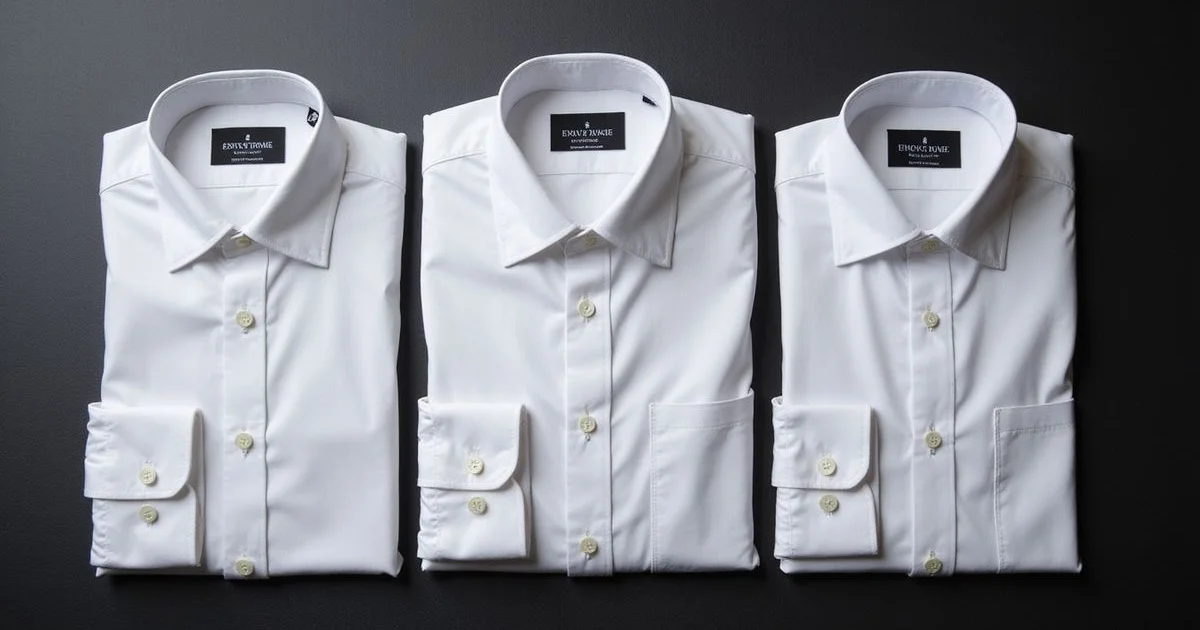
- White: The blank canvas. We recommend at least three distinct white shirts (Poplin, Twill, Royal Oxford) in any working wardrobe.
- Light blue: Less stark than white and flattering on almost every Asian skin tone.
- Lavender and pink: Pair beautifully with charcoal and navy suits.
- Bengal stripes: Bold vertical stripes that elongate the torso and command attention.
- Micro-checks: Read as solid colors on Zoom calls but add interest in person.
- Gingham: A versatile check that bridges office wear and weekend dinners in SS2.
Building a Six-Shirt Foundation
Six well-chosen shirts cover roughly 95% of a working professional’s life requirements.
- The deal closer: White Poplin, crisp and authoritative.
- The daily driver: Light Blue Twill, soft and wrinkle-resistant.
- The versatile player: White Royal Oxford, texture for added interest.
- The creative: Blue Bengal Stripe, energy under a solid suit.
- The social: Pink or Lavender Micro-check, approachable yet smart.
- The weekend: Blue Heavy Oxford, perfect with denim or chinos.
This foundation ensures you are never underdressed or overdressed for any day in Petaling Jaya.
The Investment
A custom shirt at One Tailor in a Thomas Mason cloth typically falls between RM550 and RM850. Compare that with mass-market shirts at RM150 to RM300 that use short-staple cotton and chemical finishes, and the cost-per-wear math usually favors custom over a three-year horizon.
Digital descriptions cannot replicate the tactile experience of luxury cotton. The weight of an Imperial Twill or the cool touch of a Swiss Voile must be felt in person. At your consultation with One Tailor, we will guide you through our curated books from Thomas Mason, Albini, and other heritage mills, and show you how each cloth catches the Selangor light.
Daniel Tan
Expert insights from the One Tailor tailoring team in Petaling Jaya.